Solar Inverter Innovations: Leading the Green Revolution
In the quest for sustainable energy, solar power has emerged as a beacon of hope and innovation. Central to harnessing this power efficiently are solar inverters, devices that are crucial yet often overlooked. As technology progresses, solar inverter innovations are playing a significant role in driving the green revolution. Let's delve into how these advancements are shaping our energy landscape.
Understanding the Role of Solar Inverters
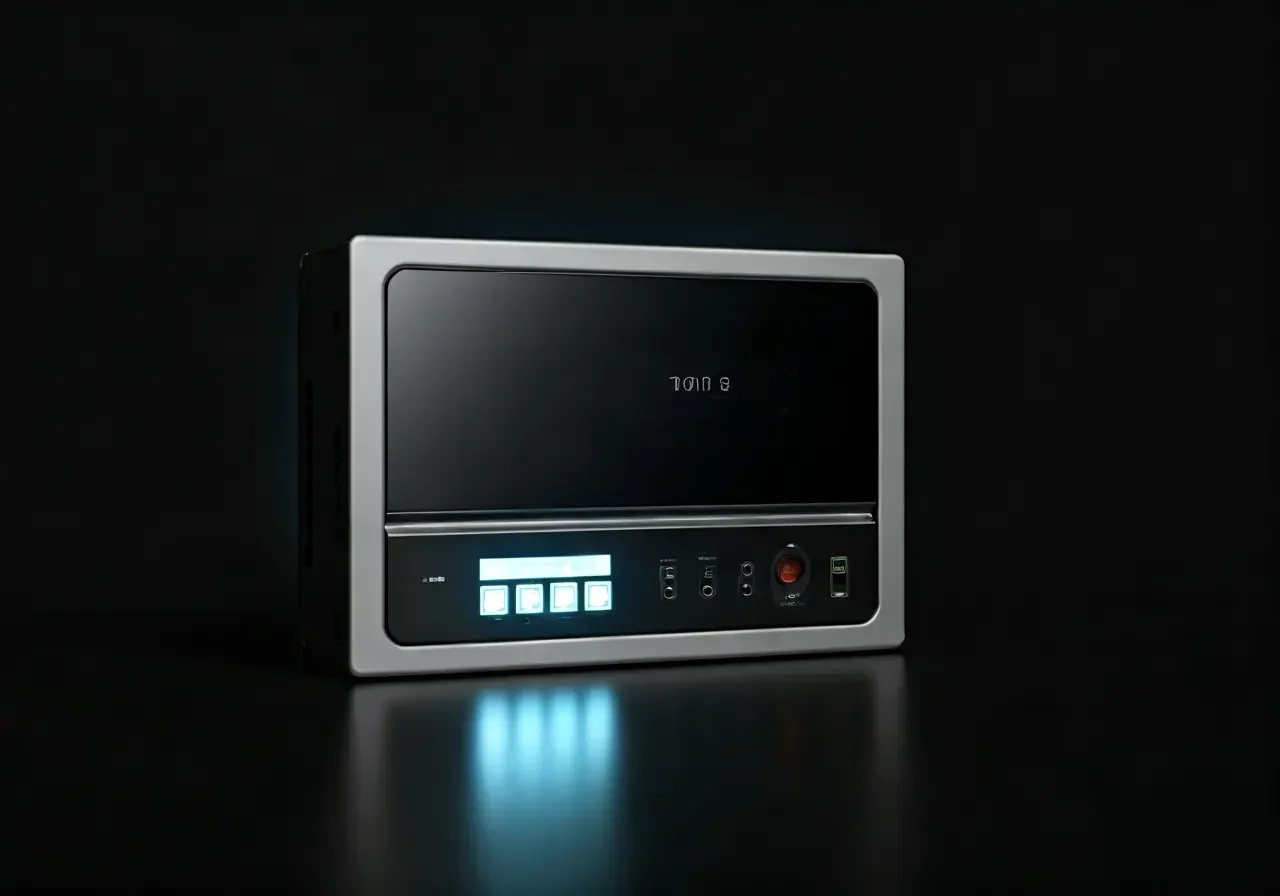
Solar inverters are essential components in the solar energy system. They convert the direct current (DC) produced by solar panels into alternating current (AC) required by home appliances and the grid. Without this conversion, solar energy wouldn't be practical for everyday use.
The role of solar inverters extends beyond merely converting electricity. These devices are the brain of a solar system, ensuring that your energy utilization is safe and efficient. They allow for integration with the grid, enabling homeowners to offset their energy use with solar power and even return excess power to the grid, enhancing the sustainability loop. As solar technology evolves, inverters are becoming smarter and more adaptable to a variety of energy demands, making them indispensable in modern solar setups.
Key Innovations in Solar Inverter Technology
Recent innovations in solar inverter technology have led to improvements in efficiency, reliability, and connectivity. These advancements not only maximize power output but also offer smart monitoring capabilities, allowing users to track energy production in real time.
One of the groundbreaking developments is the introduction of microinverters. Unlike traditional string inverters, microinverters optimize the output of individual panels, thereby minimizing the impact of shading, debris, or snow. This innovation significantly increases the overall efficiency and reliability of solar installations, and allows more flexibility in the design of solar panel arrays, which is particularly beneficial for rooftops with complex shapes.
Another exciting innovation is the integration of battery storage solutions with inverters. This integration allows for seamless energy management, offering the flexibility to store surplus energy for use during peak times or when the sun isn’t shining. The coupling of battery solutions with inverters not only provides financial savings through better energy management but also enhances grid stability and energy security, which is crucial in the shift towards more reliance on renewable energy sources.
The Rise of Hybrid Solar Inverters
Hybrid solar inverters combine the capabilities of a solar inverter with a battery inverter. This integration allows for seamless management of energy flows, optimizing solar energy utilization and storage, and offering greater energy independence.
Hybrid inverters are becoming increasingly popular as they offer a more holistic approach to energy management. Not only do they facilitate the simultaneous handling of energy in both DC and AC forms, but they also enable homeowners to easily switch between using energy stored in batteries and the grid. This functionality is particularly beneficial during power outages or when electricity prices soar, ensuring continuity of power and providing significant cost savings.
Moreover, these inverters support load shifting and peak shaving strategies, where energy is stored during low demand and used during high-demand periods, effectively lowering energy costs. By reducing reliance on the grid, hybrid systems play a pivotal role in enhancing energy resilience and independence, contributing significantly to the green revolution by encouraging more people to adopt sustainable energy solutions.
Enhancing Energy Efficiency with Smart Solar Inverters
Smart solar inverters incorporate AI and IoT technologies, providing features like remote monitoring and predictive maintenance. These capabilities lead to improved efficiency and reduced operational costs, making solar power more viable for a wider range of users.
The integration of AI in solar inverters allows for dynamic energy management. These smart systems can predict and react to weather conditions to optimize energy production and storage. For example, by analyzing weather patterns, the inverter can determine the best times to store energy or release it, maximizing efficiency and minimizing waste. Additionally, smart inverters can diagnose and send alerts about system performance, helping to prevent potential issues before they arise, ensuring continuous and optimal system operation.
The Impact of Solar Inverter Innovations on the Green Revolution
By enhancing the overall performance and integration of solar energy systems, solar inverter innovations are driving the adoption of renewable energy. This shift not only reduces reliance on fossil fuels but also supports global efforts to mitigate climate change.
The ripple effect of deploying advanced solar inverters reaches far beyond individual households. By enabling more efficient and scalable solar solutions, these innovations play a crucial role in promoting energy justice, ensuring that clean energy is affordable and accessible to all, regardless of socioeconomic status. As more communities adopt solar technology, the collective reduction in carbon footprints can bring us closer to achieving global climate targets. In this way, solar inverters are not just technical components; they are catalysts for change, spearheading the transition to a more sustainable and equitable world.
Embracing the Future of Energy with Solar Inverters
Solar inverter innovations are at the heart of the green revolution, offering enhanced efficiency, cost-effectiveness, and integrative capabilities that make solar power more accessible and reliable. As technology continues to evolve, these devices will undoubtedly lead the charge towards a sustainable, energy-efficient future. For more information on how you can be part of this transformation, visit our homepage.