12 Tips for Maximizing Battery Systems' Efficiency in San Diego
San Diego's unique climate and energy demands make it essential to optimize battery systems for maximum efficiency. Whether you're a homeowner looking to save on energy bills or a business owner aiming to reduce operational costs, these tips will help you get the most out of your battery systems.
1. Understanding Your Battery System's Capacity
Knowing the capacity of your battery system is crucial to ensure it meets your energy needs without overloading or wasting power. Each system has a specific capacity, measured in kilowatt-hours (kWh), which dictates how much energy it can store and release. It's essential to match your battery capacity with your household or business energy demands to ensure maximum efficiency. For instance, a system with insufficient capacity may struggle to keep up with peak energy usage, while an excessively large system might lead to unnecessary expenses without significant benefits.
2. Regular Maintenance and Inspection
Routine checks and upkeep can prevent small issues from becoming major problems, ensuring your battery system runs smoothly. Regular maintenance includes cleaning terminals to prevent corrosion, checking for leaks, and ensuring all connections are secure. Scheduling professional inspections at least once a year is also a wise decision. Not only does this extend the lifespan of your system, but it also ensures optimal performance throughout its operational life.
In between professional inspections, it's beneficial to conduct monthly visual checks. Look for physical damage, swelling, or unusual noises that might indicate underlying issues. If you're not sure of what to check, consult the manufacturer’s manual or speak to a professional. Remember, prevention is always better than facing unexpected downtime due to battery failures.
3. Optimizing Charging Cycles
Efficient charging practices can prolong the lifespan of your battery system and enhance its performance. One of the best practices is to avoid fully discharging batteries, as repeated cycles of total discharge can degrade the cells quicker. Moreover, charging your batteries during off-peak hours can not only save on energy costs but also reduce the strain on your system during high-demand periods.
4. Temperature Control and Its Impact
San Diego's climate necessitates effective temperature management to avoid battery overheating and efficiency loss. Batteries generally operate optimally at room temperature, so it's crucial to keep them in a well-ventilated area. Excessive heat can lead to quicker degradation of your battery's cells. Utilizing temperature control features in battery storage areas can help maintain ideal conditions, enhancing longevity and performance.
In extreme climates, consider investing in a thermal management system. Such systems help regulate temperatures, ensuring your batteries stay within an ideal operating range. This is particularly important for large-scale battery systems used in commercial settings, where energy output is critical to daily operations.
5. Using Smart Inverters
Incorporating smart inverters can optimize power conversion and enhance overall system effectiveness. Smart inverters offer real-time data on energy production and usage, allowing for precise adjustments to optimize performance. Furthermore, they can communicate with the grid and adjust operations during high-demand periods, helping to avoid charges typically associated with peak usage.
These innovative devices are especially useful in hybrid systems that integrate multiple power sources, such as solar and wind. By blending energy inputs, smart inverters can seamlessly balance energy distribution based on current demand and external power availability, ensuring cost-effective and consistent energy supply.
6. Identifying Peak Energy Usage Patterns
Understanding when you consume the most energy allows you to tailor your battery usage for peak performance. Analyze your past energy bills to track consumption patterns, and adjust your system to discharge stored energy during peak hours when utility rates are highest. This not only maximizes efficiency but also translates to savings on your energy bill.
For a more comprehensive overview, consider installing energy monitoring equipment. These tools provide detailed insights into hour-by-hour usage, enabling precise adjustments and maximizing energy efficiency across all systems. By identifying patterns such as seasonal variations in energy use, you can better plan your battery system's operations.
7. Energy Storage Solutions
Explore energy storage options to ensure you have backup power when needed, increasing reliability. Depending on your energy needs and budget, you might opt for lithium-ion, lead-acid, or other advanced storage technologies. Each has its unique benefits and downsides, so understanding these can help in making an informed decision. For instance, while lithium-ion batteries are generally more expensive, they offer higher efficiency and a longer lifespan.
8. Integrating Renewable Energy Sources
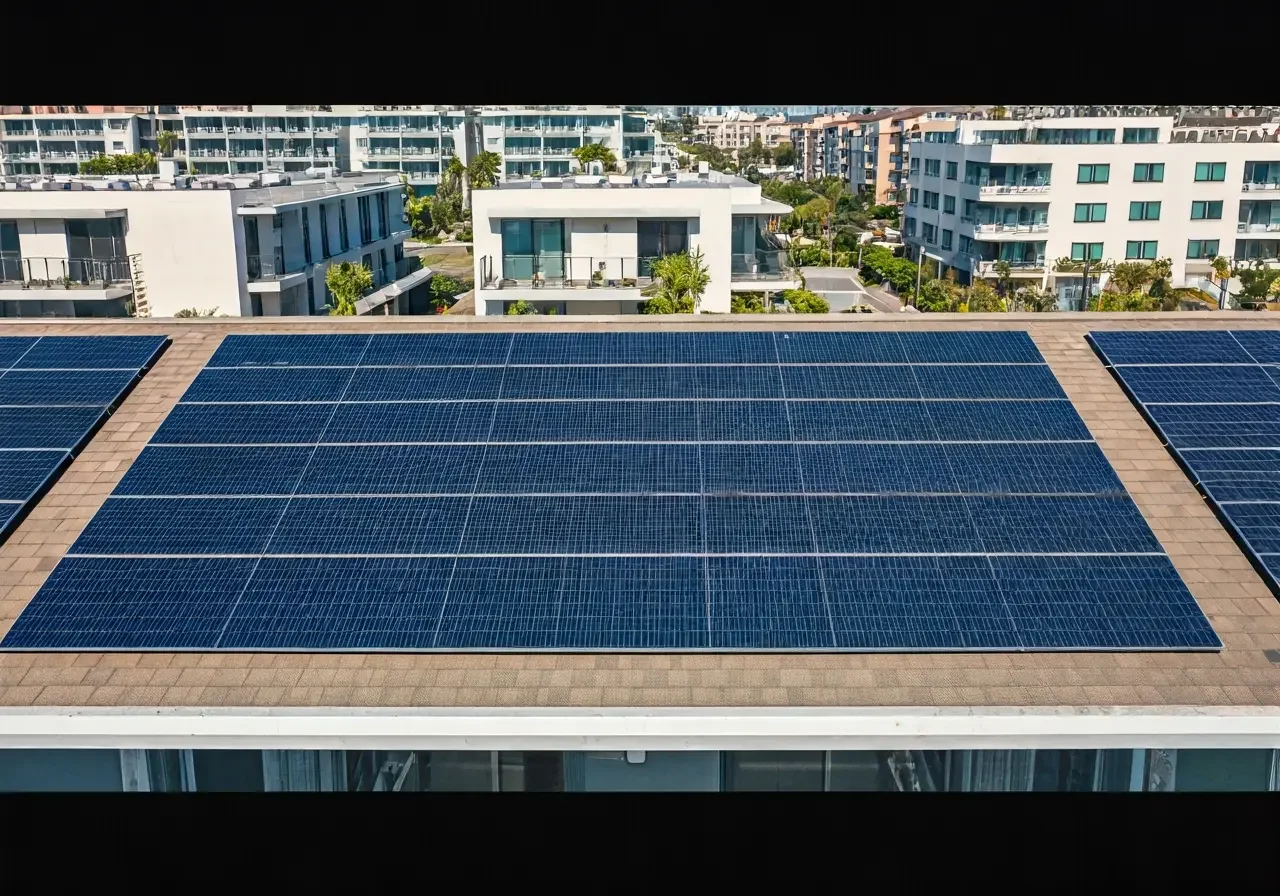
Pairing your battery system with renewable sources like solar can maximize efficiency and sustainability. By capturing and storing energy from renewable resources, you reduce reliance on grid power and decrease energy costs. Consider installing solar panels to harness San Diego's abundant sunshine. This not only supports a sustainable lifestyle but also boosts long-term savings by drastically reducing your energy bills.
9. Investing in Quality Components
High-quality components lead to more reliable and efficient battery systems, reducing the need for frequent replacements. While it might be tempting to cut costs with cheaper parts, investing in premium quality pays off in longevity and performance. Choosing reputable manufacturers and suppliers ensures your battery system withstands the demands of daily use and environmental conditions typical to San Diego.
10. Monitoring and Data Analysis
Continuously monitoring system performance and analyzing data can help identify areas for improvement. Modern monitoring systems offer real-time analysis and alerts for any deviations from normal operation, giving you the chance to fix minor problems before they become major—a proactive approach instead of reactive maintenance.
Data analytics platforms can also forecast energy demands and system performance, allowing for strategic adjustments to your battery operation. By tracking metrics like charge-discharge cycles, efficiency rates, and age of components, your system remains optimized and efficient over time.
11. Improving Power Factor
Enhance your battery system's efficiency by correcting power factor issues, reducing energy losses. A poor power factor can lead to higher demand charges on your utility bill and isn't always obvious. Incorporate power factor correction equipment to ensure maximum efficiency. Improved power factor not only increases system capacity but also reduces losses, making your system more environment-friendly.
12. Planning for Future Demand
Prepare for future expansions or increased energy needs by scaling your battery system accordingly. Whether adding more solar panels or increasing battery capacity, planning now can save headaches later. This is particularly important for growing businesses in San Diego, where energy demand may scale significantly. By anticipating changes, such as technological upgrades or increased energy consumption, your system can grow in tandem with your needs.