What Should I Know About Lithium Iron Phosphate for Industrial Power?
Lithium iron phosphate (LiFePO4) batteries have gained popularity in the industrial power sector due to their unique advantages and versatility. Whether you're considering a switch or just curious about this technology, you've come to the right place to get straightforward answers. In this FAQ, we'll explore the essential aspects of lithium iron phosphate batteries for industrial power applications.
What is Lithium Iron Phosphate?
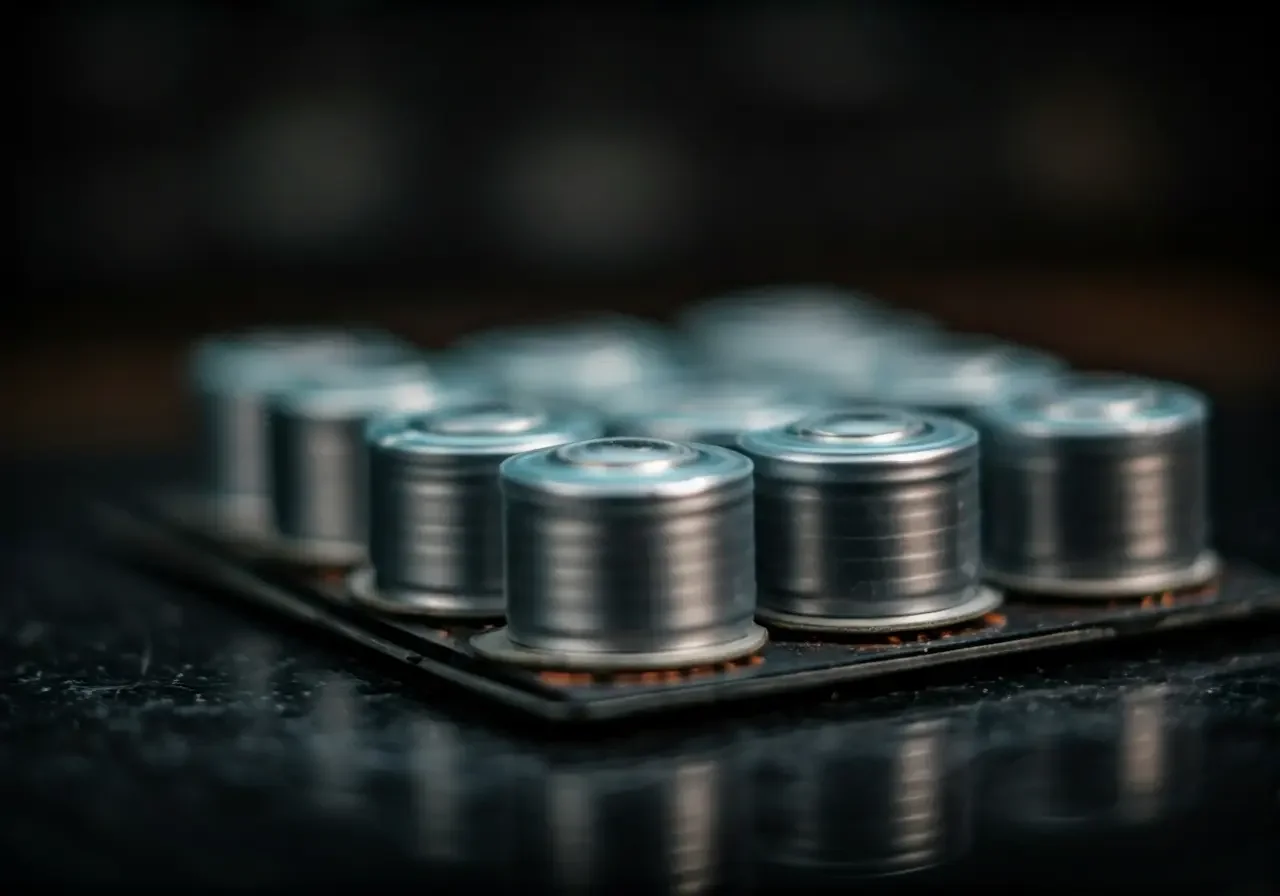
Lithium iron phosphate (LiFePO4) is a type of lithium-ion battery known for its safety, long life, and stability. It's widely used in industrial applications due to these robust features.
The chemistry of lithium iron phosphate makes it inherently safer than other lithium-ion batteries. It is less prone to overheating and doesn't suffer from thermal runaway, a condition that can lead to battery failure or fire in other types. This is a significant advantage in industrial settings where safety is a priority.
Furthermore, the energy density of LiFePO4 batteries, while slightly lower than some other lithium-ion batteries, is offset by the benefit of delivering consistent power output over a long period. This characteristic is particularly beneficial in industries where constant and reliable energy supply is crucial.
Why Choose LiFePO4 for Industrial Power?
LiFePO4 batteries offer several benefits for industrial use, including high thermal and chemical stability, longer cycle life, and a reduced environmental impact. These attributes make them a favorable choice in industrial settings.
One of the main reasons to choose LiFePO4 is its remarkable lifespan. These batteries can last significantly longer than traditional lead-acid batteries, reducing the need for frequent replacements and thus cutting down overall costs over time. This longevity also means reduced downtime for maintenance, which is a critical factor in high-demand industrial environments.
In addition to their technical advantages, LiFePO4 batteries are also environmentally friendlier. They do not contain harmful heavy metals like lead or cadmium, making them easier to recycle and dispose of responsibly. This eco-friendly aspect is an increasingly important consideration for industries looking to improve their sustainability profiles.
How Does LiFePO4 Compare to Other Battery Types?
Compared to traditional lead-acid and other lithium batteries, LiFePO4 offers better safety, efficiency, and durability. This makes it a superior choice for industrial power needs where reliability and long-term operation are crucial.
While lead-acid batteries are cheaper upfront, they tend to have a much shorter lifespan and require more maintenance. In contrast, LiFePO4 batteries' durability translates into fewer replacements and less downtime, ultimately leading to cost savings in the long run.
Nickel-cadmium (NiCd) batteries, another alternative, have historically been used in various industrial applications. However, they pose significant environmental concerns due to the toxic nature of cadmium. Therefore, industries are increasingly opting for LiFePO4 solutions that offer a safer and more sustainable choice.
What Are the Key Applications in the Industrial Sector?
LiFePO4 batteries are used across various industrial applications, such as backup power systems, forklifts, and renewable energy storage among others. Their versatility and robustness make them suitable for demanding environments.
In the renewable energy sector, LiFePO4 batteries play a crucial role in energy storage systems. They are used to store solar and wind energy, which can then be released when needed, ensuring a stable power supply even during periods of low generation. This application is pivotal in promoting the adoption of sustainable energy solutions.
Moreover, in material handling equipment like electric forklifts and automated guided vehicles (AGVs), these batteries provide the reliable power necessary for lifting and moving heavy loads throughout facilities. Their quick charge capability and extended lifespan enhance operational efficiency, which is vital in logistics and warehousing sectors.
Are There Any Concerns With Using LiFePO4?
While LiFePO4 batteries are generally safe and long-lasting, they can be more expensive upfront compared to alternatives. It's important to balance initial costs with long-term benefits and application needs when making a decision.
Another consideration is the charging infrastructure required for LiFePO4 batteries. Industries may need to invest in compatible charging systems to fully leverage the benefits of these batteries, which could further increase the initial expenditure.
Moreover, even with their long lifespan, LiFePO4 batteries, like all batteries, will eventually degrade. It is crucial to have appropriate recycling and disposal processes in place to manage used batteries responsibly and minimize environmental impact.
Final Thoughts on Lithium Iron Phosphate for Industrial Power
Understanding the benefits and considerations of lithium iron phosphate batteries can greatly enhance your decision-making process for industrial power solutions. With reliable performance and environmental advantages, these batteries are becoming a key player in powering various industrial applications. Always ensure that your choices align with your specific industrial needs for optimal results.