5 Innovative Industrial Power Strategies for San Diego Homes and Businesses
In today's fast-paced world, finding efficient and sustainable power solutions for both homes and businesses is crucial. San Diego, with its vibrant community and growing economy, is perfectly positioned to embrace innovative industrial power strategies. Whether you're a homeowner looking to reduce energy bills or a business aiming for eco-friendly solutions, these strategies can make a significant impact.
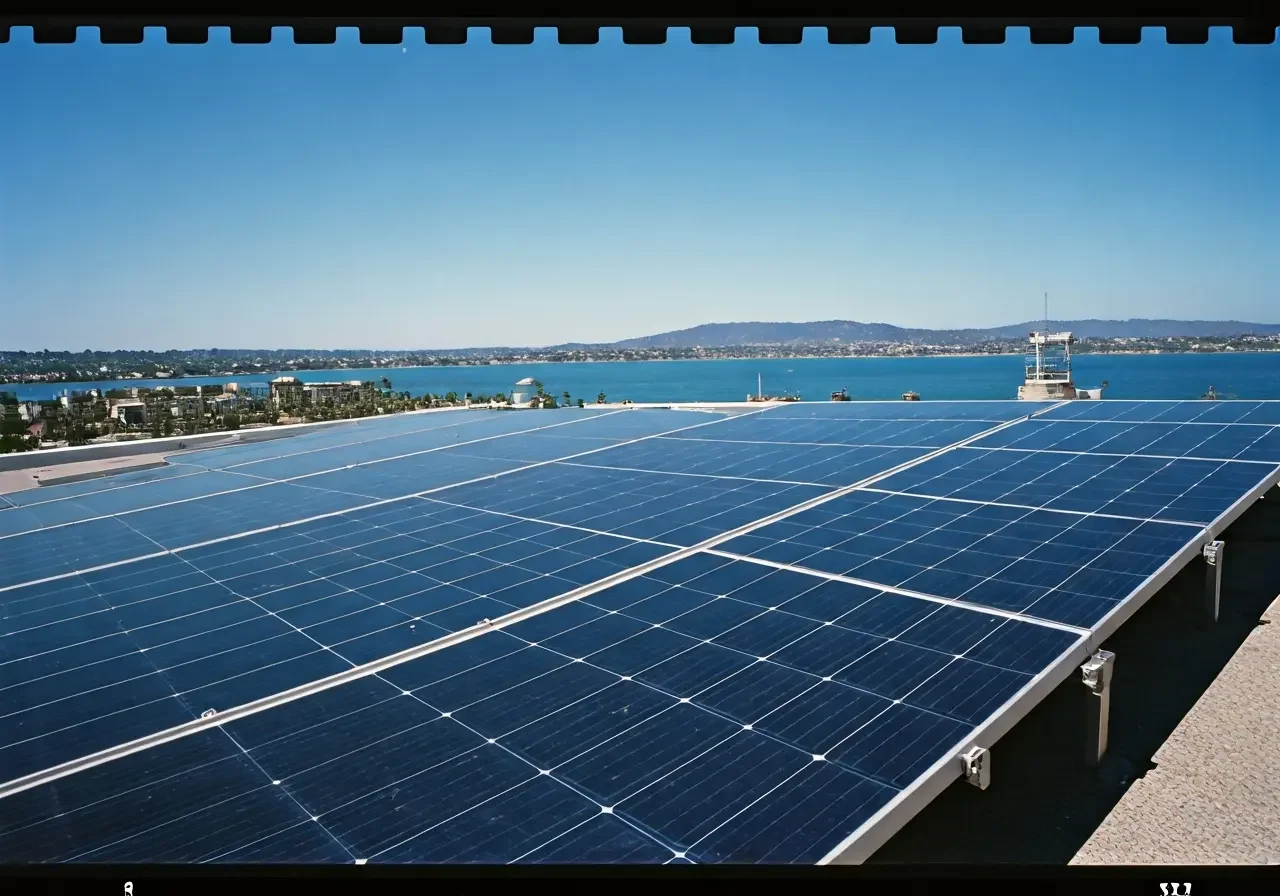
1. Harnessing Solar Energy
San Diego enjoys plenty of sunshine year-round, making it an ideal location for solar energy solutions. Integrating solar panels can drastically reduce electricity costs and provide a renewable energy source for both residential and commercial properties. With solar power, you can expect a substantial decrease in your monthly utility bills while also contributing to a cleaner environment. Large-scale installations, such as solar farms, are also a viable option for businesses looking to capitalize on this abundant resource. Leveraging state and federal incentives can offset the initial investment, making this an economically smart choice.
Moreover, the technological advancements in solar energy continue to expand its potential. With innovations such as bifacial panels and Tesla's Solar Roof, aesthetics no longer have to be compromised for efficiency. Homeowners can seamlessly integrate these solutions into their home designs, increasing property value while reducing their carbon footprint. To get started with solar, engaging with a trusted solar provider ensures proper installation and long-term maintenance support.
2. Wind Power Potential
Exploring wind power is another effective strategy for generating clean energy. Small-scale wind turbines can be installed on properties to complement existing energy systems and ensure a reliable power supply. While the investment in wind energy may seem daunting, the long-term benefits outweigh the initial costs. Wind turbines can produce energy even when the sun isn't shining, making them a perfect partner to solar installations.
Additionally, advances in wind turbine technology have improved their efficiency and reduced noise pollution, making them more suitable for urban areas. Residents and businesses considering wind power as part of their energy strategy can contribute to the local grid, potentially earning credits through net metering programs. The combination of wind and other renewable sources creates a robust and comprehensive energy system.
3. Energy Storage Innovations
With advancements in battery technology, energy storage solutions have become more accessible. Implementing energy storage systems can help manage power usage during peak times and ensure continuous energy supply. These systems allow homes and businesses to store excess energy generated from their renewable resources for use during times when energy generation is low, such as at night or during cloudy days.
Furthermore, lithium-ion batteries, like those used in Tesla's Powerwall, provide a feasible solution for both residential and commercial applications. These batteries are not only efficient but also environmentally friendly, supporting your goals for sustainability. Exploring energy storage options can also protect you from potential grid failures, enhancing energy reliability for critical operations.
4. Smart Grid Technologies
Smart grids use digital technology to improve the efficiency and reliability of the electricity network. By incorporating smart grid systems, users can monitor energy consumption in real-time and optimize their power usage. These grids help manage both supply and demand, allowing for a more balanced and controlled energy system.
Through two-way communication between consumers and utility providers, smart grids facilitate better demand response and load shifting, which can alleviate pressure during peak demand times. Many see this technology as the backbone of future energy systems, especially in urban settings like San Diego, eager to push forward with their green initiative.
5. Implementing Energy Efficiency Audits
Conducting energy efficiency audits helps identify areas where energy is being wasted. These audits provide actionable insights, enabling property owners to make informed decisions to reduce consumption. Professional energy auditors evaluate various factors, including insulation, HVAC systems, and lighting efficiency, to help you implement effective changes. After comprehensive audits, detailed strategies can be developed to mitigate waste and improve overall performance.
Additionally, many local governments offer incentives or rebates for businesses that perform these audits and make subsequent energy-saving updates. Engaging in an energy audit could lead to significant cost reductions and environmental benefits, so it's a wise step for any property owner looking to enhance their industrial power strategy.