Breaking Down Industrial Power Solutions for Sustainable Growth
In today's rapidly advancing world, finding sustainable solutions in industrial power is more crucial than ever. As industries continue to grow, the demand for energy increases, making it imperative to explore options that support long-term environmental health. Let's dive into the key strategies and technologies paving the way for sustainable growth in industrial power.
Understanding the Basics of Industrial Power
Industrial power solutions encompass a range of technologies and strategies used to meet the energy needs of large-scale operations. From traditional power grids to renewable energy sources, understanding these basics is the first step in moving towards more sustainable practices.
At its core, industrial power involves generating, transmitting, and distributing electricity to meet the demanding needs of factories, plants, and other large-scale operations. Typically, this involves a complex web of power plants, substations, and intricate networks that ensure a consistent power supply. However, despite its sophistication, traditional industrial power often comes with significant environmental costs, primarily due to its reliance on fossil fuels. Transitioning from this model to more sustainable energy sources is not only a challenge but also an opportunity to drive industrial modernization.
A deeper understanding of industrial power also means acknowledging the various stakeholders involved, from energy suppliers to regulatory bodies. Each plays a pivotal role in ensuring that power solutions are safe, efficient, and increasingly eco-friendly. Educating stakeholders about these industrial power basics can help garner support for more sustainable practices. Awareness and knowledge are the first steps toward transformative change, making it easier for industries to adopt cutting-edge, environmentally friendly solutions.
The Role of Renewable Energy in Industrial Settings
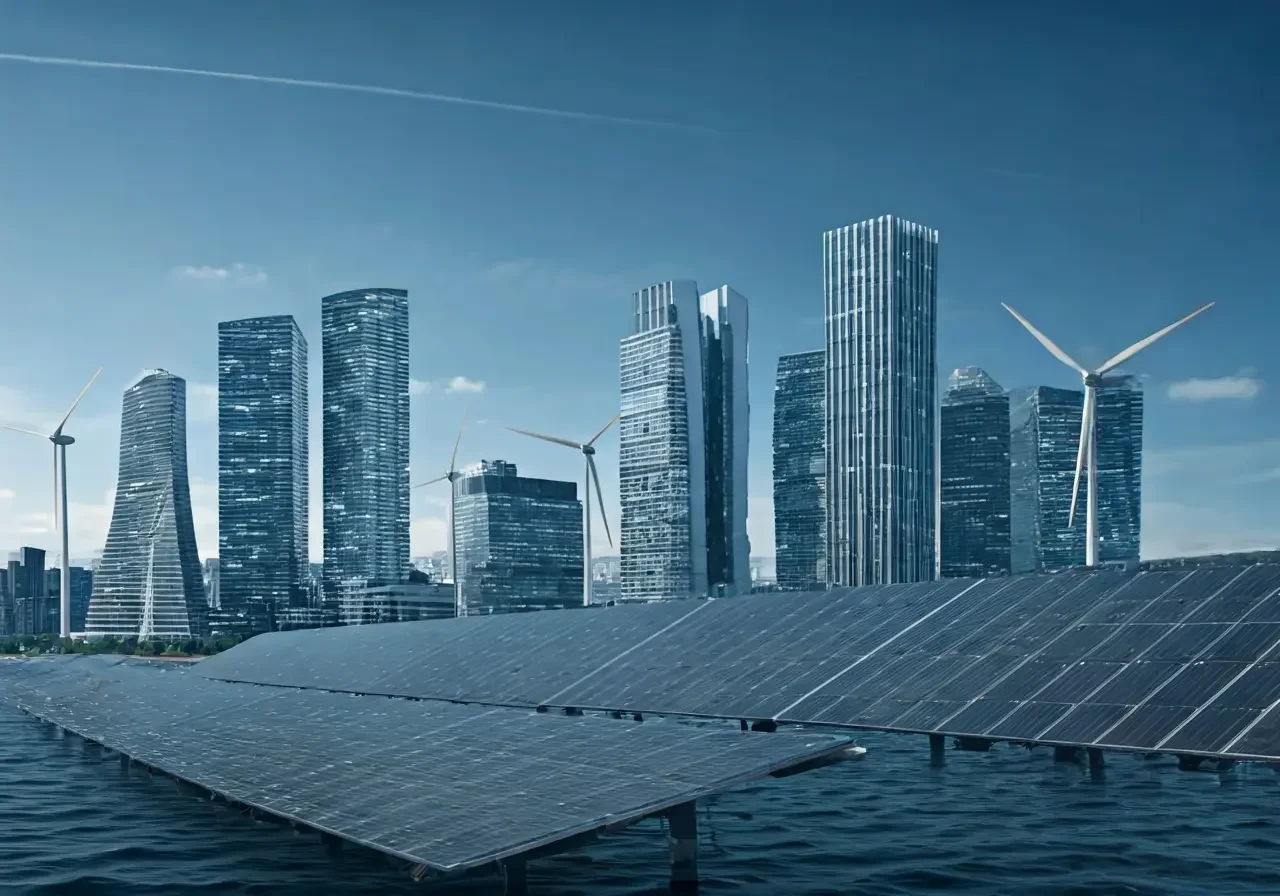
Renewable energy sources like solar, wind, and hydropower are becoming increasingly viable for industries seeking to reduce their carbon footprint. Integrating these sources can lead to significant environmental and economic benefits, setting a new standard for sustainable growth.
Among the renewable options, solar energy has emerged as a leader, particularly for industrial applications. By installing solar panels on rooftops or using extensive solar farms, industries can generate a significant portion of their energy needs in a way that is both sustainable and cost-effective. The decreasing cost of solar technologies makes it an attractive option for companies looking to invest in their environmental future. Similarly, wind energy offers similar benefits, with wind turbines being efficiently integrated into industrial operations to capitalize on natural wind currents.
Incorporating renewable energy into industrial settings isn't just about equipment and facilities; it's also about forward-thinking strategies. Old infrastructures can be retooled or upgraded to better accommodate renewable inputs, leading to improved energy management and reduced waste. Additionally, hydropower is another critical player, particularly in regions with abundant water resources. By utilizing hydropower, industries can tap into another consistent and reliable renewable energy source, one that has been used for generations but is now being optimized for modern industrial use.
Innovative Technologies Driving Efficiency
Advancements in technology, such as smart grids and energy storage systems, are revolutionizing how industrial power is managed. These innovations not only enhance efficiency but also ensure a more resilient and adaptable power infrastructure.
Smart grids have become an essential part of the modern industrial landscape, facilitating efficient energy distribution and consumption tracking. By leveraging real-time data and analytics, industries can dynamically adjust energy usage patterns to reduce waste and save costs. This kind of system promotes a more responsive energy model, where power is utilized in precise amounts, tailored to immediate industrial requirements. This not only saves energy but also supports infrastructure adaptability, helping industries smoothly transition to more sustainable practices.
Energy storage systems, especially those utilizing advanced battery technologies, enable industries to maintain a reliable power supply even when primary renewable sources are inconsistent. This continuity is vital for operations that cannot afford interruptions. These storage solutions are pivotal for industries seeking to minimize their reliance on conventional power grids and maximize renewable energy utilization. Additionally, emerging energy management systems equipped with artificial intelligence are transforming how industries predict and respond to their energy needs, making the entire power management process more proactive and less reactive.
Policies and Regulations Supporting Sustainable Practices
Government policies and international regulations play a critical role in promoting sustainable industrial power. Understanding and complying with these regulations can help industries navigate the path toward sustainability while ensuring their competitive edge.
Many regulatory frameworks are now explicitly designed to encourage industrial sustainability. These include incentives for using renewable energy, such as tax credits and subsidies, which significantly reduce the financial burden of adopting cleaner technologies. It's not just about penalties for excessive emissions anymore; governments are actively rewarding industries that demonstrate a commitment to sustainability. Such initiatives are crucial for balancing environmental goals with economic realities, encouraging industries to innovate and reduce their carbon footprints more effectively.
Moreover, international agreements like the Paris Agreement set global standards for reducing greenhouse gas emissions, indirectly pushing industries worldwide to align with these objectives. For businesses operating in multiple countries, understanding these international guidelines is critical for maintaining compliance and fostering sustainable growth. These policies are not just mandates but opportunities for industries to align with global best practices in sustainability.
Case Studies of Successful Implementations
Exploring real-world examples of companies that have successfully transitioned to greener power solutions can provide valuable insights and inspiration. These case studies highlight the benefits and challenges faced during the transformation process.
Take, for example, the transformation of a large manufacturing company that integrated solar and wind energy into its operations. This company not only achieved substantial cost savings but also managed to reduce its carbon emissions by over 60%. The key to their success was a well-planned phased integration that allowed for pilot testing and adjustments before full-scale implementation.
Another notable example is a data center that adopted innovative cooling techniques powered by renewable energy sources. By optimizing their cooling infrastructure and investing in efficient solar panels, they were able to cut down their energy use significantly. These forward-thinking strategies can serve as blueprints for other companies looking to embark on their journey toward sustainable power solutions, highlighting the tangible benefits and the path to achieving them.
Towards a Sustainable Power Future
Sustainable industrial power solutions are the cornerstone of future growth, balancing economic demands with the health of our planet. By investing in innovative technologies and mindful practices, industries can thrive without compromising the earth's resources. As we move forward, it's essential to continue exploring and implementing these refined strategies to secure a greener future.